
Areas of Practice
Pediatric Occupational Therapy, Speech-Language Pathology, and Applied Behaviour Analysis services designed to support children and families on their journey toward independence, confidence, and success.
Fine Motor Development
Fine motor skills are the small, detailed hand movements children need for everyday life. When these skills are hard, kids may avoid certain tasks, get frustrated, or struggle with school expectations.
Together, we work step by step to help children build stronger hands, better control, and more independence with daily skills.
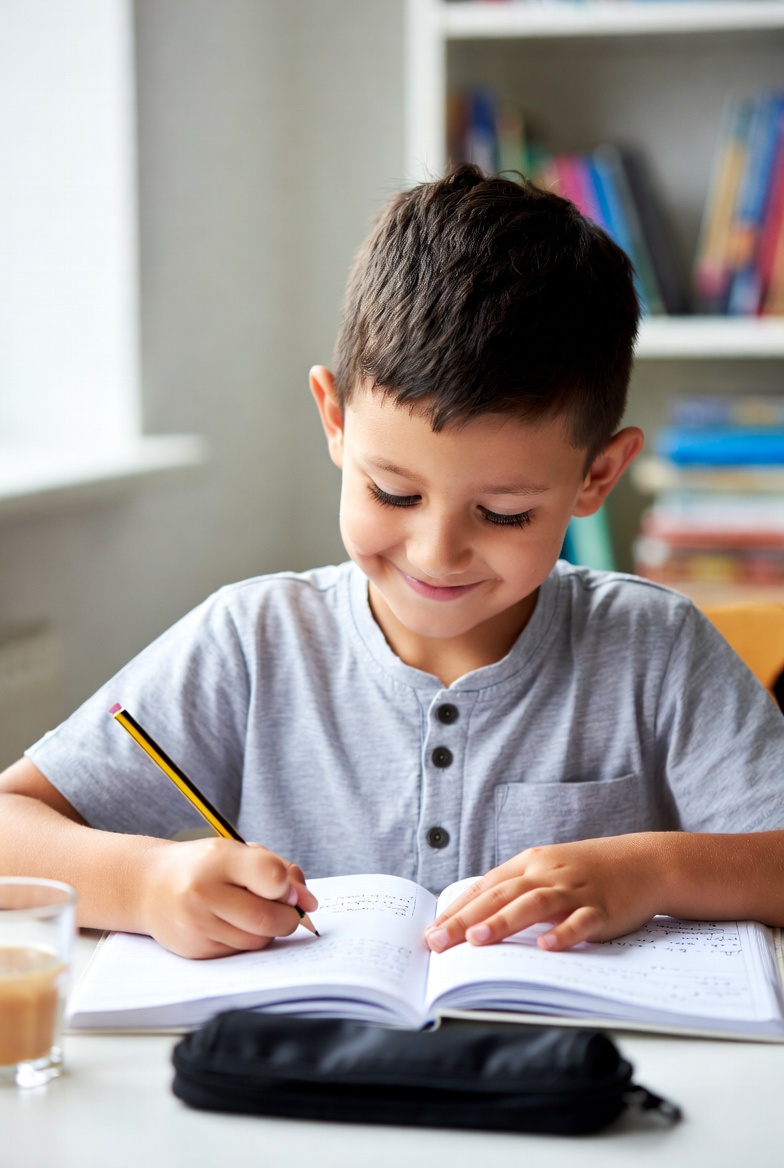
- Handwriting and pencil grasp
- Cutting and craft skills
- Dressing (buttons, zippers, snaps)
- Using utensils and tools
- In-hand manipulation

Gross Motor Development
Gross motor skills involve the big movements children use to run, jump, climb, play, and participate in sports. When these skills are tough, children might feel unsure of their bodies or have trouble keeping up with peers.
We help children feel more confident in their bodies by building strength, coordination, and motor planning skills in a fun, active way.
- Running, jumping, and balance
- Core stability and strength
- Coordination for sports
- Playground skills
- Motor planning

Learning & Cognitive Skills
Support for reading, writing, attention, memory, and executive functioning. We provide strategies to help children organize their thoughts and succeed in the classroom.
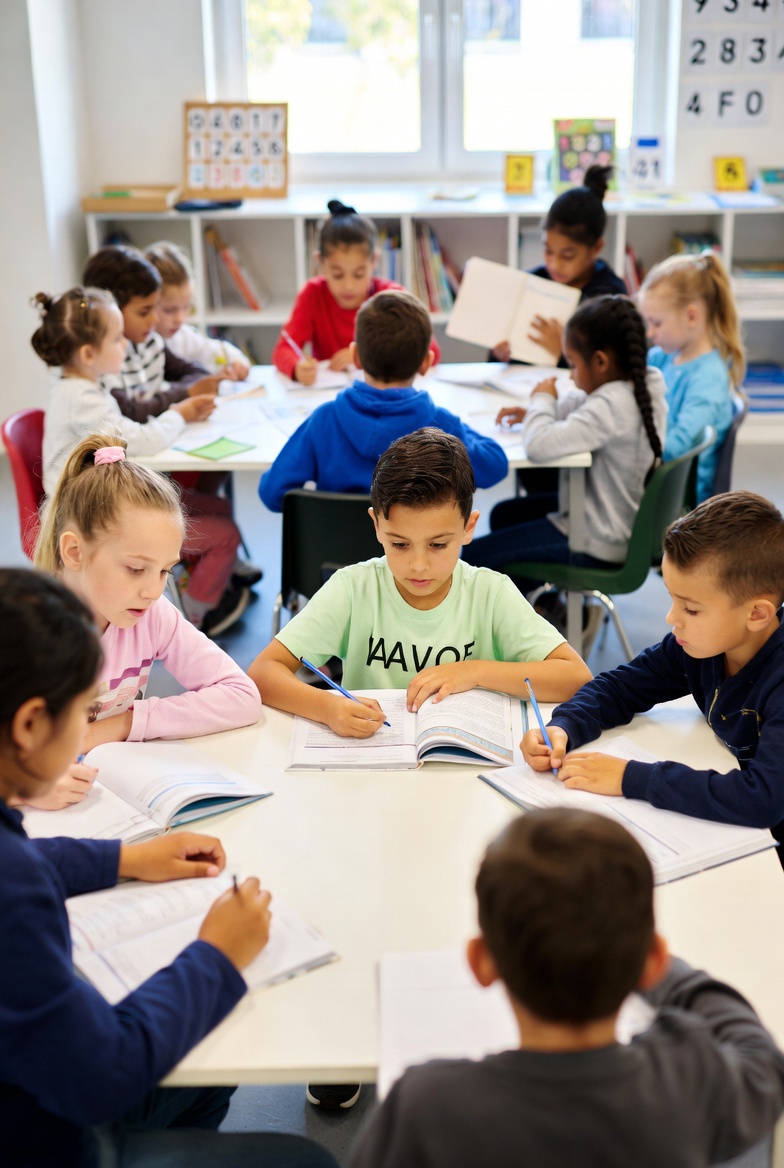
Reading, Writing & Math
Support for decoding, fluency, written expression, and number concepts.
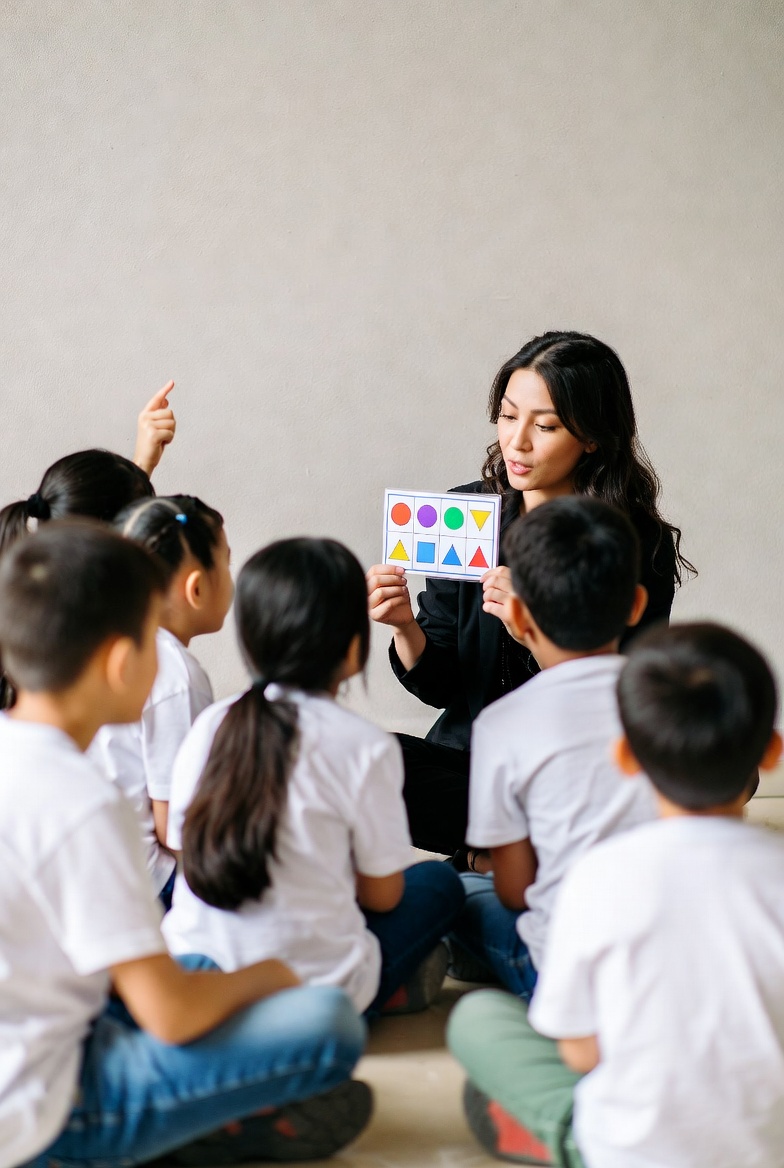
Attention & Memory
Strategies for focus, following instructions, working memory, and recall.
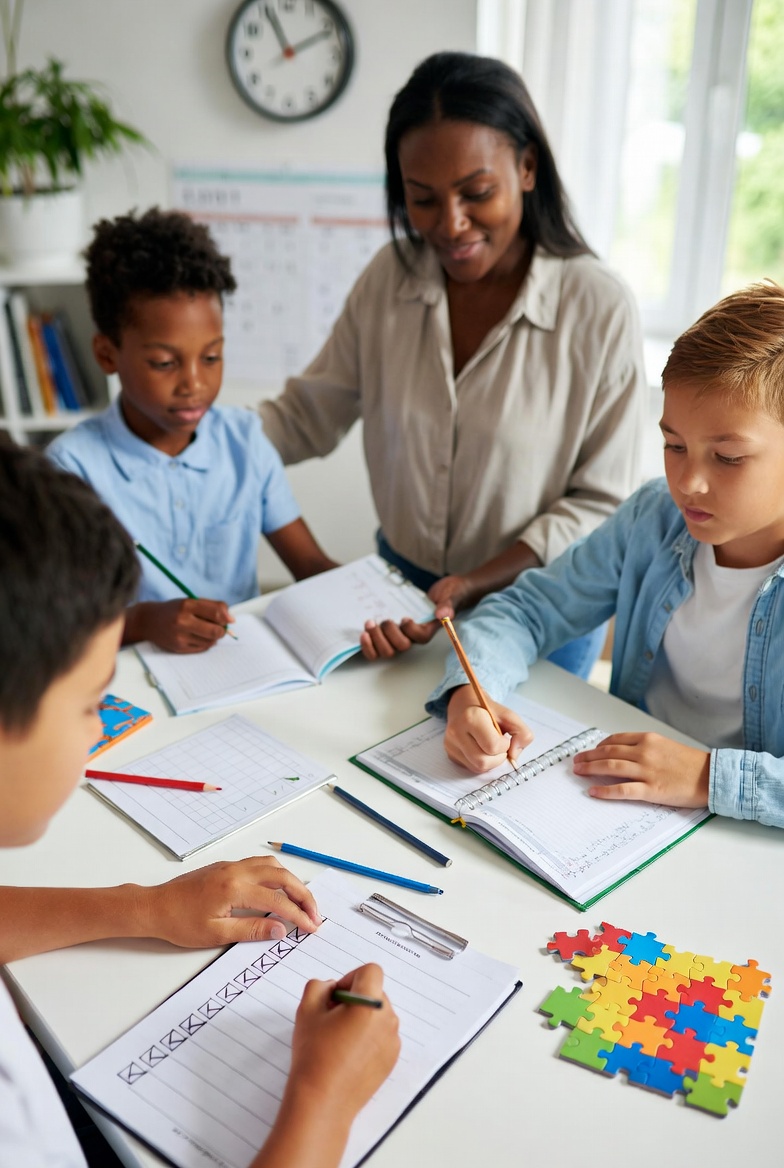
Executive Functioning
Tools for planning, organization, task initiation, and time management.
Sensory Processing & Regulation
Every child makes sense of the world through their senses. When sensory experiences feel 'too much' or 'not enough', children may struggle to stay calm or focused.
We explore how your child processes sensory information and help them build tools for regulation, comfort, and engagement.
- Sensory modulation and discrimination
- Feeding and picky eating
- Sensitivity to noise or touch
- Seeking movement or pressure
- Emotional regulation strategies
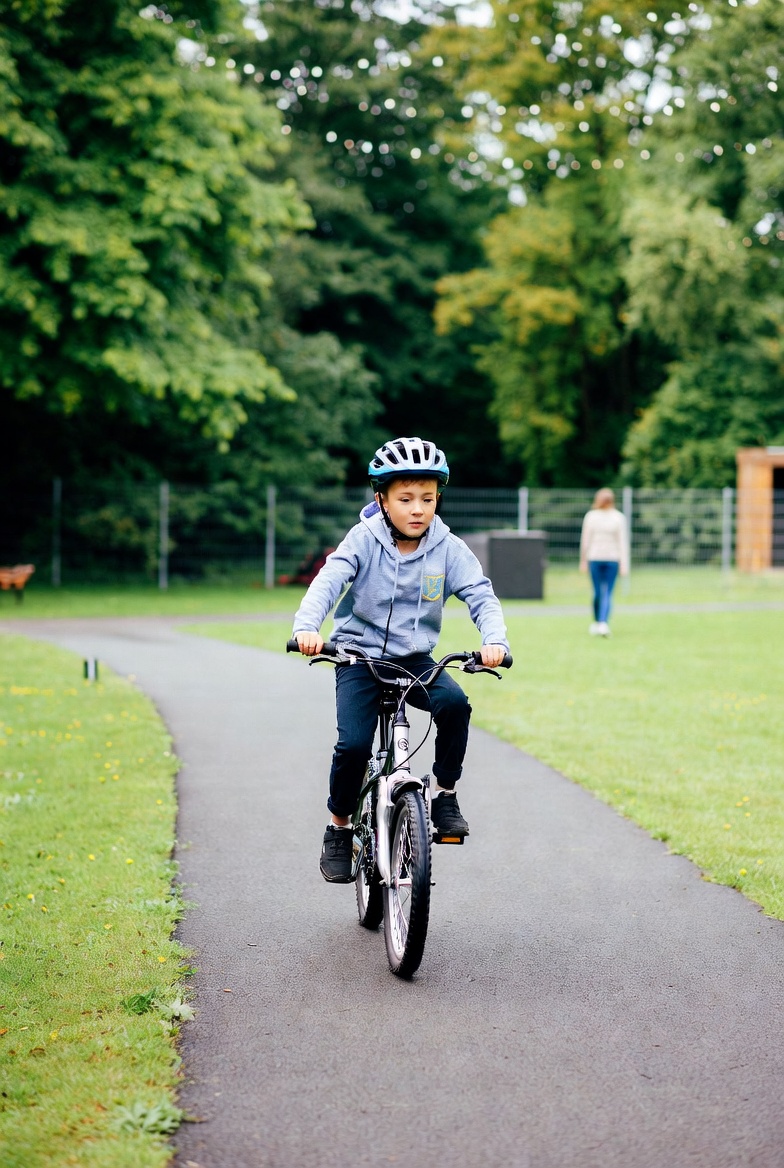
Social & Emotional Growth
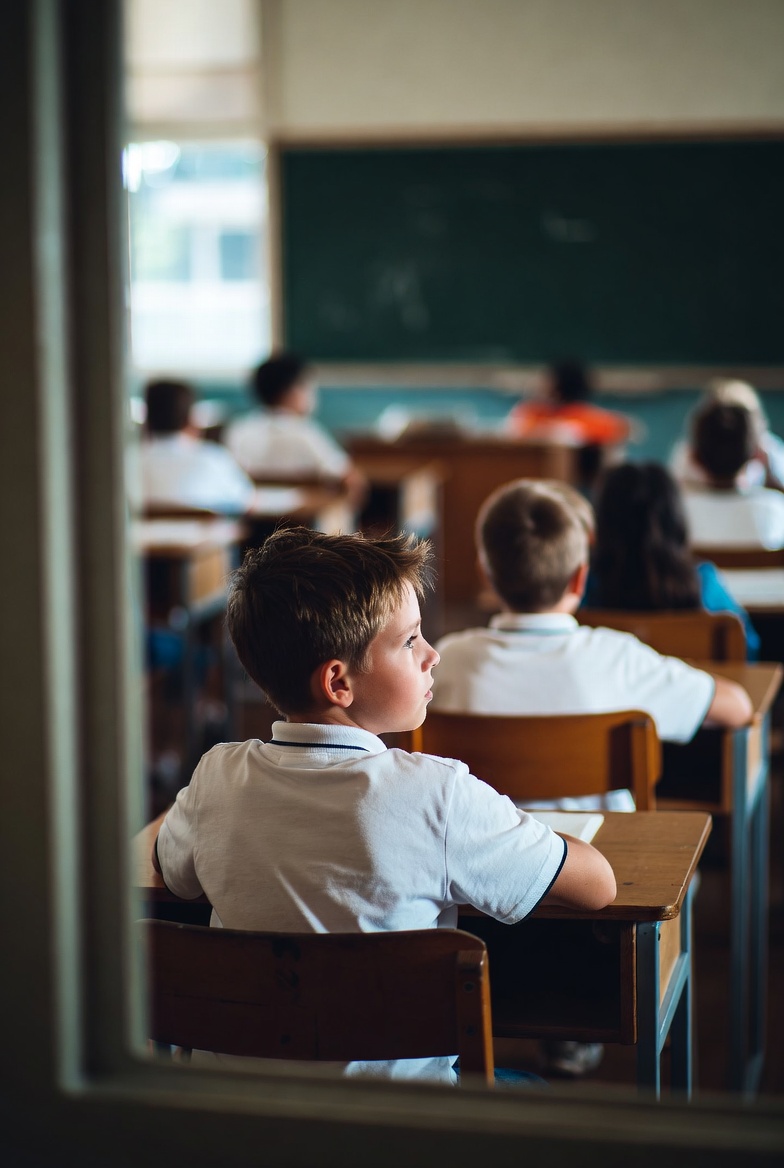
Helping children manage emotions, build meaningful relationships, and develop essential social skills.
Self-Regulation
Coping skills, frustration tolerance, and emotional awareness.
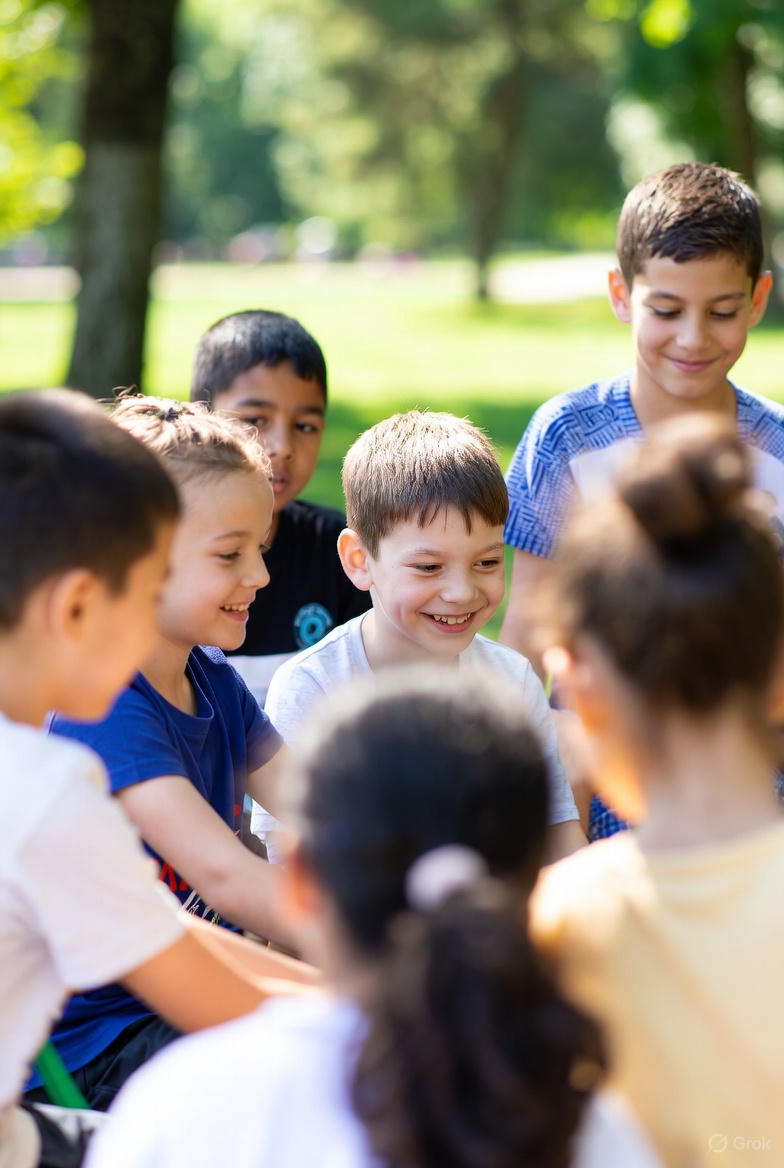
Social Interaction
Peer relationships, play skills, reading social cues, and empathy.
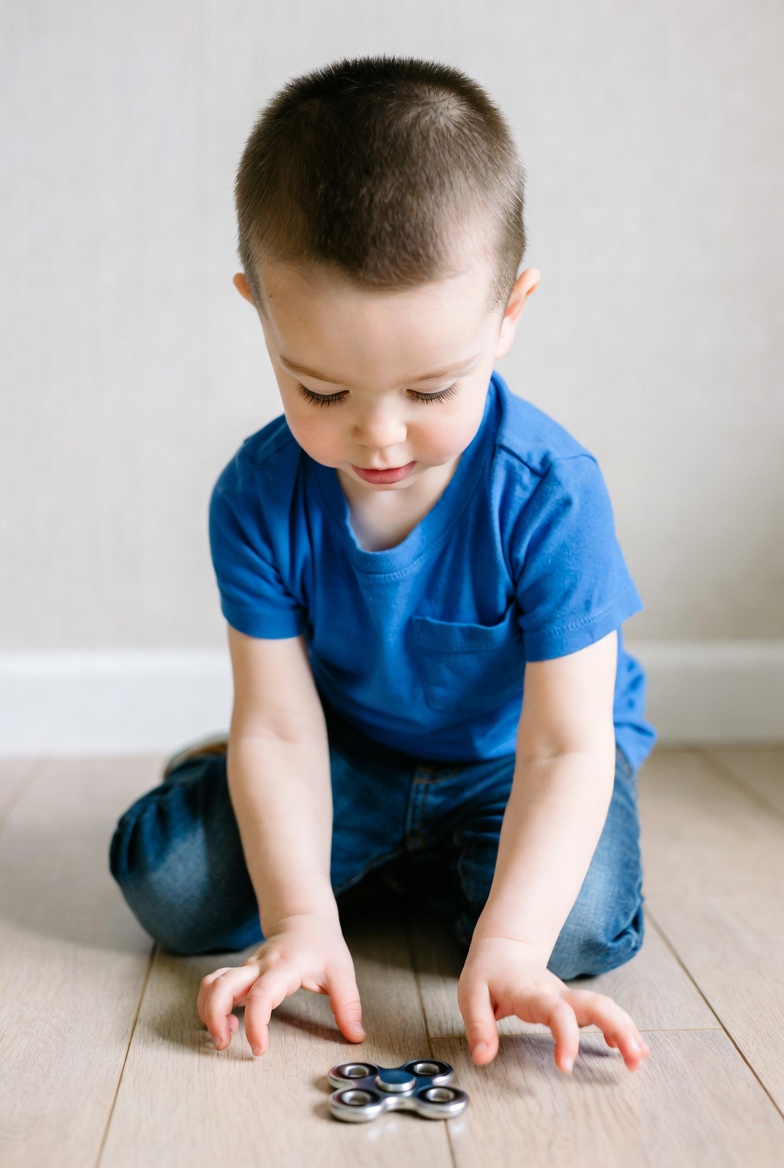
Support for ASD
Celebrating neurodiversity while building functional communication and play skills.
Independence & Daily Living
Building habits and life skills that help children feel capable and proud. From self-care to organizing school materials.
We break routines into small, achievable steps to build confidence and independence.
- Dressing and grooming
- Hygiene and toileting
- Feeding and mealtime
- Morning and bedtime routines
- School organization
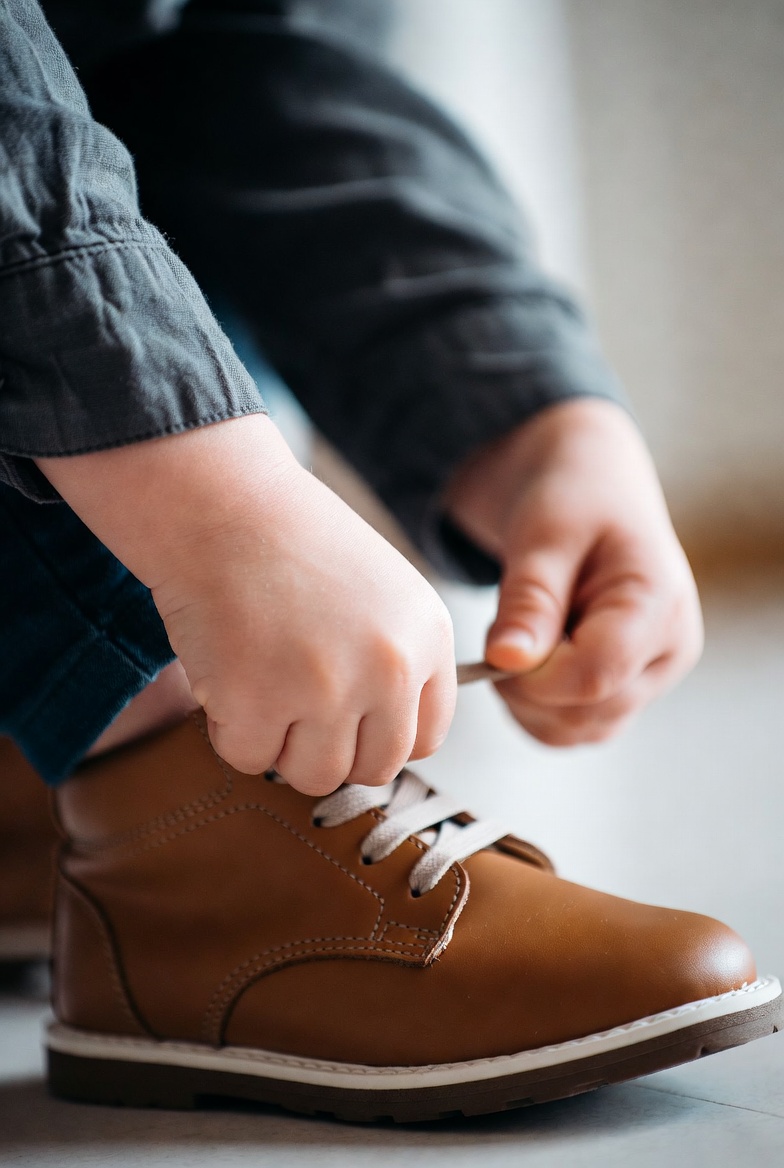
Motivation & Participation
Children thrive when activities are meaningful. We help them discover their interests and values to drive participation.
Focusing on what matters to the child makes therapy enjoyable and builds internal motivation.
- Identifying strengths and values
- Building internal drive
- Setting personal goals
- Choosing meaningful hobbies
- Celebrating progress
Family & School Collaboration
Children grow best when the adults in their lives feel supported, connected, and confident in the next steps. Families and schools play a huge role in a child's success.
We take a team-based approach — partnering with parents, teachers, and caregivers to make sure children are understood, supported, and set up for success across all environments.
- Parent coaching & home support
- School consultation
- Individualized learning plans
- Sensory-friendly adjustments
- Communication between home and school
